AI for nonprofits that turns field notes into grant reports.
Field updates arrive by messaging app and get lost, and each funder wants the same results in its own template. We build agents and simple field apps that sort what comes in and draft what goes out, so your staff gives its hours to the mission. Scope and price are fixed in writing before we start.
- Field reports
- Donor questions
- Grant reports
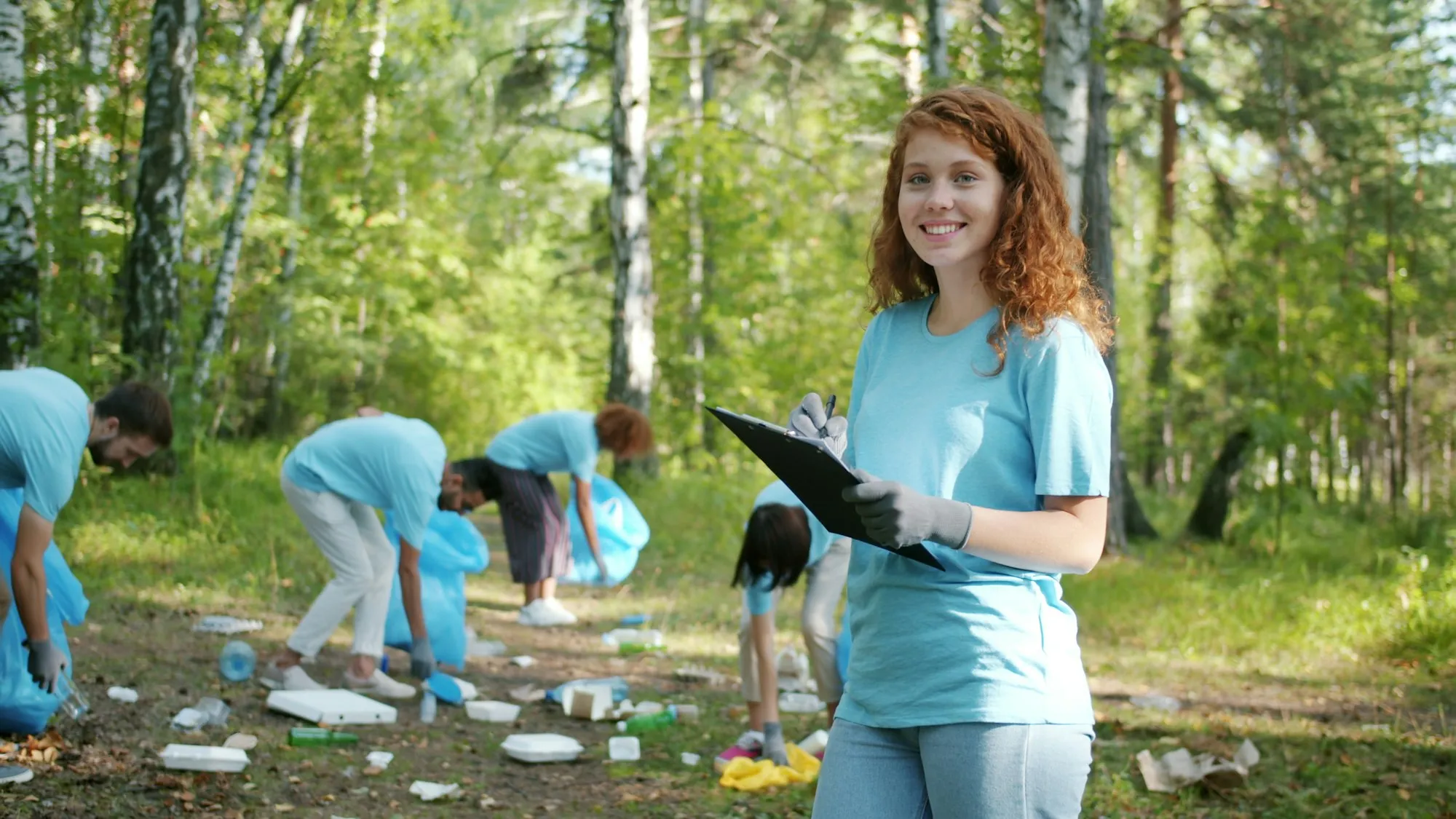
Where AI for nonprofits helps first
AI for nonprofits pays off on the work that eats staff time without serving the mission directly: sorting field reports, answering routine donor and member questions, pulling figures and stories into a grant report, drafting thank-you letters. It runs on your own data, shows where each answer comes from, and leaves every decision about the people you serve to your team.
Your data usually exists already: in a CRM such as Salesforce Nonprofit Cloud, CiviCRM or HubSpot, in spreadsheets, in shared drives and in the field team’s messaging groups. The work is connecting them, then adding one agent where the hours go.
Beneficiary data is often sensitive: religious beliefs, migration status, family situation. It stays on hosting you control in Europe, under a written processor contract, and nothing is used to train a model.
Familiar in any nonprofit office
- Field updates come in by WhatsApp and get lost before they reach the database.
- Every funder asks for the same results in a different template.
- Donors write to ask whether their gift arrived, and someone answers each one by hand.
- Year-end donation receipts take over the office every January.
- Volunteers who join mid-year find nobody available to answer their questions.
What an agent can take off your staff’s desks
Four places to start, each on tools you already pay for. A person reviews before anything goes to a funder, a donor or a beneficiary.
01
Field reports, sorted and mapped
Reports sent from a phone with photo and location, even where the network drops, land in one list your coordinators can sort, map and follow up.
Business applications02
Grant reports drafted from your data
The agent pulls activity figures, field notes and beneficiary stories into each funder’s template and flags what is missing. Your program lead edits and signs.
AI agents03
Donor and member questions answered
Gift confirmations, receipts, membership renewals and event details are answered from your CRM and your own FAQ, with a handoff to staff for anything personal.
AI chatbot04
Volunteer onboarding
New volunteers ask an assistant about safety rules, schedules and who to call, and get the answer from your handbook with the page it comes from.
Knowledge assistant
Five nonprofit tasks, before and after an agent
Tasks most nonprofits share, and the line we keep on each one.
| Task | Today | With an agent | Who stays in charge |
|---|---|---|---|
| Field reports | Messages and photos scattered across phones | One list with location, photo and status | The field coordinator |
| Grant reports | Figures copied by hand into each funder template | A draft filled from your data, gaps flagged | The program lead, who signs |
| Donor questions | Answered one by one from the shared inbox | Routine answers from your CRM, personal ones handed over | Donor relations staff |
| Donation receipts | Prepared in one batch at year end | Prepared as gifts arrive, checked before sending | The treasurer or finance lead |
| Decisions about beneficiaries | Taken by your team | Unchanged: the agent only prepares the file | Your team, always |
Real project, client kept private
A reporting app that turned volunteers and the public into a nationwide network
An advocacy NGO needed volunteers and members of the public to report what they saw in the field, aggregate those reports nationally for its talks with the administration, and alert app users in the areas concerned. No existing tool covered all three needs, so we built one.
Client kept private. This project is a field application with no AI in it: it shows how we build for field teams. The agents on this page plug into that kind of tool, on your data.
- Reporting from a phone in a few taps: precise location, photo, short context
- Designed for a weak network, since reports are made outdoors, on the move
- A web dashboard that aggregates reports for advocacy and for official statistics
- Notifications to the users of an area as soon as an official alert is declared there
- 2,000+
- field reports documented
- 100%
- of the country covered
Data rules that matter in a nonprofit
- Sensitive data has a narrow exception.Article 9 of the GDPR lets a foundation, association or other not-for-profit body with a political, philosophical, religious or trade union aim process sensitive data about its members and regular contacts, with safeguards, and without disclosing it outside the body without consent. We keep that data on hosting you control.
- People know when they talk to an AI.Since August 2, 2026, Article 50 of the EU AI Act requires that people be told they are interacting with an AI system unless it is obvious. Your donor assistant says so in its first message.
- A person decides for each beneficiary.Article 22 of the GDPR protects people from decisions based solely on automated processing that significantly affect them. Agents prepare files on aid or placements; your team decides and records it.
- Accounts and documentation in your name.Every workflow ships with an error alert, documentation and accounts in your name, so a new treasurer or a change of provider never locks you out of your own tools.
Nonprofits: your questions
Can a small nonprofit afford this?
Start with one task, the one that costs your staff the most hours, on a scope and price fixed in writing before we start. Our cost guides give dated market ranges so you can compare. The free 30-minute assessment tells you whether an agent is worth it for you.
Does it work with our CRM and fundraising tools?
Yes, through their APIs or exports: Salesforce Nonprofit Cloud, CiviCRM, HubSpot or Blackbaud Raiser’s Edge NXT, and HelloAsso or AssoConnect in France. When a tool has no connector, we build one or work from its exports.
Can field teams use it with a poor connection?
Yes. The field apps we build save reports on the phone and send them when the network comes back, as on the reporting app described above. The AI sorting happens on the server once the report arrives.
What happens to beneficiary data?
It stays on hosting you choose in Europe, or on your own servers, under a processor contract. Nothing is used to train a model, and access follows the roles you already have: a volunteer sees less than a case worker.
Can volunteers keep it running when staff change?
That is what the documentation, the error alert and the accounts in your name are for. Anyone with the right access can see what runs, what failed and why, without calling us first.
How long before the first agent runs?
Usually four to eight weeks for a first agent, depending on the tools involved. You see it work on your own past data before it touches anything live, and scope and price are fixed in writing first.
Send your next grant report without the late nights.
Tell us which task eats your staff’s week. We reply within one business day, then spend a free 30 minutes on your tools and data with you, and say plainly whether an agent is worth it.